



About Ira Riklis
Ira Riklis CEO at Lydia Security Monitoring Inc. dba C.O.P.S. Monitoring likes traveling around the world to visit new places and experience different cultures. Mr. Riklis’ passion for traveling started through his travels to his home country of Israel, Tel Aviv. Although he calls America home, it does not stop him from pursuing travels to the Middle East, Europe, and so many more places as well as exploring our great country and seeing places less traveled. Ira Riklis shares his travel insights on this blog, where you can expect to go around the world, find travel deals, best seasonal travel locations and whatever else fits all things travel
The Beginning
Travel is in Ira’s blood. You see, Ira Riklis is the son of a billionaire, Meshulam Riklis who was born in Turkey in 1923, while his parents were en route from Russia to Israel. Ira’s father grew up in Tel Aviv and has passed on his love of the country to his son Ira D Riklis. Ira is able to visit Israel quite often and he traces his family’s origins through travel. He has a Tel Aviv inspired blog here.
Explored Passions
Ira Riklis is an avid philanthropist and is a man who is not shy about giving. Riklis selflessly donates to charities around New York City. His donations are often made in such a way that, with the funds, the non-profit can help themselves succeed. With a sturdy plan and budget like his, Ira Riklis aims to help charities from their launch to the time when other benefactors will lend a helping hand. He has done this with The Metropolitan Council on Jewish Poverty. He is also a passionate writer and other than this blog, he shares his passions and interests on his food, humor, cars and history blogs.
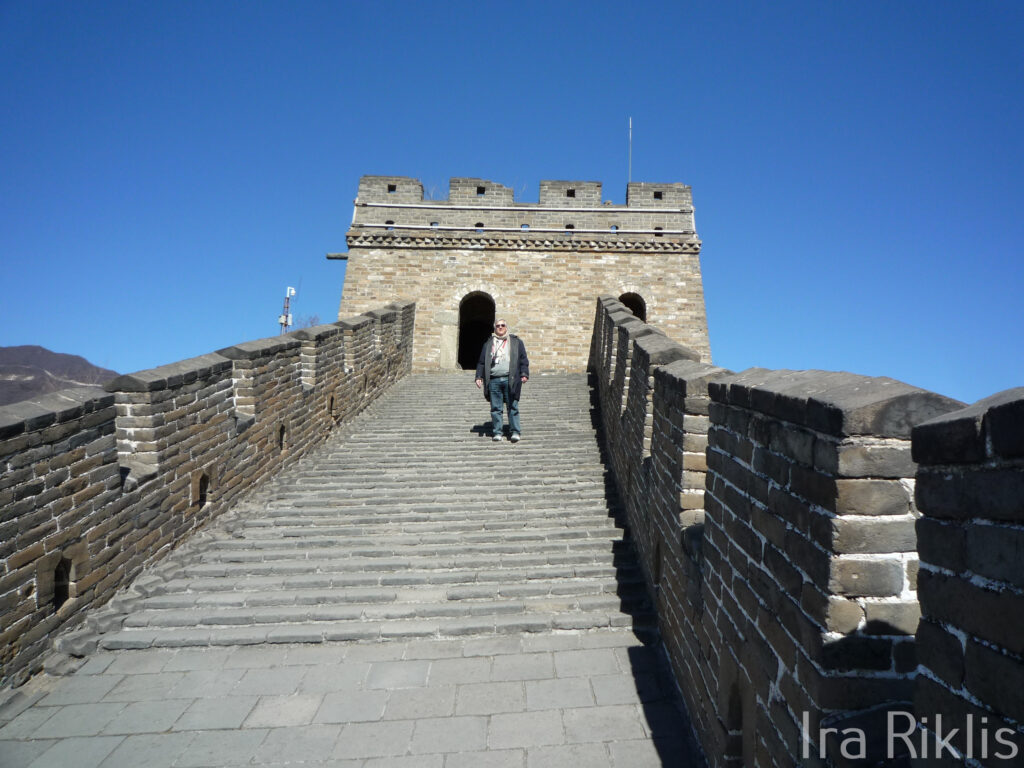
Ira Riklis visiting the Great Wall of China
Ira’s Professional Work
On top of all of Ira Riklis’ travel and writing, he is an entrepreneur. He currently is CEO of C.O.P.S. Security Monitoring and invests in many other business interests. Mr. Riklis is also the President of Sutherland Capital Management, Inc. which is a private investment fund. Mr. Riklis is currently the President of the company. Ira Riklis is also an investor in different companies. Ira attended the Wharton School of business for an undergraduate degree in Economics and Entrepreneurship from 1973 to 1976. He continued on to complete a post-graduate program at the Wharton School of Business in 1977 where he received an MBA in Mergers and Acquisitions. For more on his professional background visit his LinkedIn profile (Ira Riklis) and feel free to visit his Google + page for interesting posts.
Latest Posts From Ira Riklis
June 7, 2017- Which Diet Leads To A Longer Life?
This week Ira Riklis’ latest blog explores the type of diet that will help you live longer and keep you traveling longer. Some of the dietary tips include:
- Eating plant based foods
- Cutting down on sugar
- Eating whole foods
June 13, 2017- What’s The Deal With All-Inclusive Travel Packages?
Ira Riklis dives into the pros and cons of using all-inclusive travel packages, in this week’s blog. He includes:
- Popularity of all-inclusive travel packages
- Convenience of the packages
- Limitations surrounding the travel deals
June 20, 2017- Using UberBoat On Your Summer Vacation In Croatia
This week Ira Riklis gives more details about what to expect should you vacation in Croatia and you use the soon to be launched UberBoat: His blog includes:
- The Launch of UberBoat and how it will work
- Uber diversifying transportation options
- Why it is launching in Croatia
June 23, 2017- 10 Supernatural Sitcoms We Love
This time Ira Riklis takes a different type of travel in the form of T.V. sitcom memory lane, as he counts down ten of the best supernatural sitcoms we’ve seen. In no particular order he includes:
- Buffy The Vampire Slayer (1999- 2005)
- Hercules: The Legendary Journeys (1995-1999)
- True Blood (2008-2014)
June 28, 2017- Travel Brings Happiness And Confidence Which Is Attractive
This week Ira Riklis explores the reasons behind traveling making someone more attractive. Some of the reasons include:
- Confidence that comes from traveling
- Traveling brining out wisdom and creativity in you
- Travel opens you up to love more fearlessly
July 12, 2017- Now Is The Time To Visit Amsterdam
With summer in full swing, Ira Riklis gives more details about why Amsterdam is one of the best places to visit during this time. He looks at:
- Visiting Amsterdam during summer
- 7 main things to do when you are there
July 19, 2017- Football Competition Opens Up A Stadium As Accommodation
This week Ira Riklis gives details of a football competition in Germany where winners will get a chance to stay in a stadium. Ira mentions:
- What life in the stadium will be like
- What the winners will do
- Sleeping inside the arena
- Competition details
July 23, 2017- Why Are More People Booking One-Way Tickets?
More travelers are booking one-way tickets for their travel and Ira Riklis looks further into this and discovers the following:
- One-Way ticket trends
- Booking the old-fashioned way
- Throwaway ticketing
August 3, 2017- How Is Global Warming Really Affecting Travel?
Global warming cannot be ignored. Ira Riklis looks at how travel will be affected by the changes taking place in the environment. Some of those changes will affect:
- Air travel
- Land travel
- Health related factors to consider in areas traveled to
August 10, 2017- 4 Endangered Places To Visit Before They Are Gone Forever
This week Ira Riklis gives four endangered destinations to visit before they disappear. Those four places include:
- The Great Barrier Reef
- The Taj Mahal
- The Forests of Madagascar
- Venice, Italy
August 14, 2017- Understanding The Popularity Of Experiential Travel
The latest post from Ira Riklis shows an increasing trend in experiential travel including:
- Explaining what experiential travel is
- Frequented cultural hotspots
- Other places to immerse yourself in culture
September 7, 2017- The Transformation Of Business Travel Over The Years
This week Ira Riklis looks at how business travel has changed over the years looking at:
- How the millennial generation is changing business travel
- Proof that traveling for business is changing
- Traveling more means spending less
September 27, 2017- Best Places To Take A Fall Vacation
This week Ira Riklis shares his best places to take a fall vacation. Some of those places include:
- The Grand Canyon
- Hawaii
- Lancaster, PA